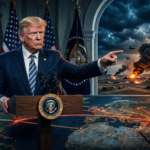


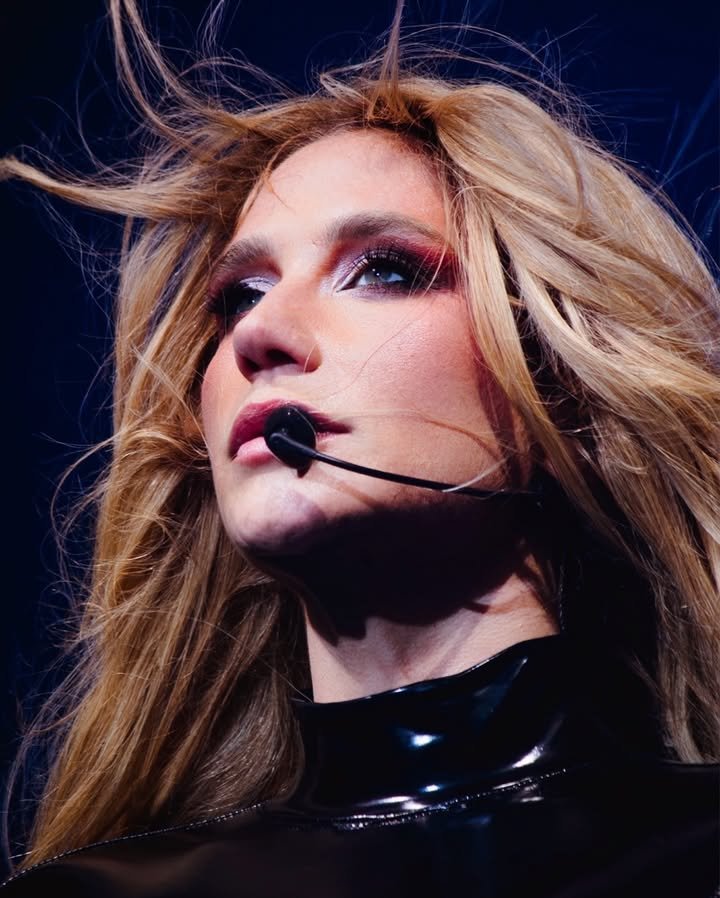
Pop superstar Kesha has issued a scathing rebuke against the White House and former President Donald Trump, accusing them of the unauthorized use of her hit song ‘Blow’ in content she claims trivializes war. The incident, which unfolded across social media platforms including Instagram and X (formerly Twitter), reignites the contentious debate over intellectual property rights in political campaigns and artists’ control over their creative works amid sensitive geopolitical contexts. Kesha’s direct condemnation underscores a growing frustration among musicians whose work is co-opted for political messaging without consent or proper licensing.
- Context and Historical Precedent: Artists vs. Political Campaigns
- Analysis of Facts: Kesha’s Stance and the ‘Blow’ Controversy
- Perspectives and Implications: Branding, Law, and Public Opinion
- Impact on Artist’s Brand and Rights
- Challenges for Political Campaigns
- Legal Recourse and Precedent
- The Ethical Dimension in Public Discourse
- Prospective Conclusion: The Evolving Battle for Artistic Integrity
- Key Takeaways
@whitehouse
Lethality 🔥🦅
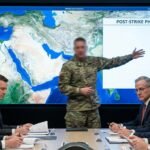
The controversy centers on a video reportedly featuring ‘Blow’ that Kesha asserts was used by Trump and the White House to ‘make light of war.’ Beyond the immediate copyright infringement, the artist’s statement highlights a deeper ethical concern regarding the appropriation of art for purposes that contradict the artist’s values, particularly when dealing with serious global conflicts. Her public stance adds to a long list of artists who have battled political figures over the unapproved use of their music, reinforcing the ongoing struggle for creative integrity in the public sphere.
Context and Historical Precedent: Artists vs. Political Campaigns
The friction between musical artists and political campaigns over the unauthorized use of copyrighted songs is a recurring theme in modern American politics. Campaigns often leverage popular music to evoke specific moods, energize crowds, or craft a particular image, yet they frequently do so without securing the necessary legal permissions. This practice often leads to immediate backlash from artists who feel their work is being misrepresented or used to endorse political views they do not share.
Legally, the issue typically revolves around copyright law. While venues hosting political rallies might possess blanket public performance licenses (e.g., from ASCAP or BMI), these licenses generally cover live performances or background music and do not extend to synchronization rights, which are required for integrating music into videos, advertisements, or digital content. Synchronization licenses must be obtained directly from the song’s publisher and often from the master recording owner, a process political campaigns frequently bypass.
A History of Disputed Usage
- Donald Trump’s Campaign: The former president’s campaigns, in particular, have faced numerous public challenges from artists. Musicians such as The Rolling Stones, Neil Young, Adele, R.E.M., Linkin Park, and the estate of Tom Petty have all issued cease-and-desist letters or publicly denounced Trump’s use of their music at rallies or in promotional materials. These incidents have often resulted in public relations nightmares for the campaigns and further galvanized artists to protect their intellectual property.
- Other Political Figures: It is not exclusively a Republican issue; campaigns across the political spectrum have faced similar allegations. However, the sheer volume and high-profile nature of disputes involving Donald Trump’s use of music have made his campaigns a focal point for this specific type of controversy.
- Digital Platforms: The rise of social media platforms has only complicated matters, making it easier for campaigns to create and disseminate content featuring copyrighted music, often leading to rapid viral spread before legal teams can intervene. This digital landscape also empowers artists to respond swiftly and directly to their fan bases, as Kesha did.
Analysis of Facts: Kesha’s Stance and the ‘Blow’ Controversy
Kesha’s strong condemnation came through direct posts on her personal social media channels, amplifying her message to millions of followers. Her choice of platforms—Instagram and X—reflects the modern battleground for public opinion and immediate artist-to-fan communication. The core of her grievance is twofold: the unauthorized use of her 2010 hit ‘Blow’ and, perhaps more critically, the alleged context in which it was used.
“Also, don’t let this distract us from the fact that criminal predator Donald Trump appears in the files over a million times.” — Kesha via Instagram and X.
The song ‘Blow,’ known for its high-energy, celebratory vibe, stands in stark contrast to the gravity of war. Kesha’s allegation that the content aimed to ‘make light of war’ suggests a profound ethical breach, implying a lack of sensitivity to the serious consequences of armed conflict. For an artist, having a song associated with such a trivializing message can damage their brand, distort their artistic intent, and alienate their audience, many of whom may hold strong views on war and peace.
The Legal and Ethical Divide
The legal aspects of this case are relatively straightforward: without explicit licensing, any use of a copyrighted song in a campaign video or promotional material is an infringement. However, the ethical dimension adds layers of complexity. When an artist’s work is co-opted to promote a political agenda they oppose, especially one that could be perceived as morally questionable (like trivializing war), it strikes at the heart of artistic freedom and integrity. Kesha’s additional remark, labeling Trump a ‘criminal predator’ and mentioning his frequent appearance in ‘files,’ broadens her critique beyond copyright to a comprehensive political statement, aligning herself firmly against the former president’s character and past actions.
This dual attack—on copyright infringement and ethical grounds—strengthens Kesha’s position and appeals to a wider audience, including those concerned with artistic rights and those with political opposition to Trump. The incident highlights how contemporary artists are not just entertainers but often cultural commentators, using their platforms to voice dissent and defend their values.
Perspectives and Implications: Branding, Law, and Public Opinion
The fallout from Kesha’s denunciation carries significant implications for all parties involved, spanning legal, reputational, and ethical dimensions. For artists, these disputes are not merely about financial compensation; they are deeply entwined with brand integrity, creative control, and the right to dissociate their art from messages they find objectionable.
Impact on Artist’s Brand and Rights
For Kesha, the unauthorized use of ‘Blow’ could lead to a perception that she endorses the political figures or ideologies associated with the content. By speaking out, she reclaims control over her narrative and reinforces her personal and artistic values. This incident serves as a stark reminder of the ongoing challenges artists face in protecting their intellectual property in an age of widespread digital content sharing and political campaigning.
Challenges for Political Campaigns
For political campaigns, particularly those with a history of such controversies, these incidents can result in negative publicity and reinforce perceptions of disregard for legal norms and artistic rights. While some campaigns might calculate that the reach of a popular song outweighs the potential negative press or even a cease-and-desist letter, the cumulative effect can erode public trust and alienate key demographics. Repeated instances of unauthorized music use can also signal an indifference to copyright law, potentially undermining broader legal arguments a candidate might make.
Legal Recourse and Precedent
Should Kesha or her representatives pursue legal action, they would likely seek damages for copyright infringement and an injunction to prevent further use of the song. While such cases can be protracted and costly, successful litigation or even the threat of it can set important precedents, compelling campaigns to be more diligent in securing proper licenses. However, the power dynamic often favors well-funded political entities, making individual artists’ battles uphill struggles without robust legal backing.
The Ethical Dimension in Public Discourse
The accusation of ‘making light of war’ introduces a profound ethical dimension. In an era of complex global conflicts and widespread calls for peace, any perceived trivialization of war by a public figure can provoke strong reactions. Kesha’s statement taps into a broader societal concern about how leaders communicate about serious issues, and the appropriateness of using pop culture elements in such contexts. This ethical challenge can resonate deeply with voters and influence public opinion, potentially affecting how a campaign is viewed beyond its policy positions.
Prospective Conclusion: The Evolving Battle for Artistic Integrity
Kesha’s forceful response to the White House and Donald Trump’s alleged unauthorized use of ‘Blow’ is more than just another copyright dispute; it is a significant reaffirmation of an artist’s right to control their creative output and its association with political messaging. The incident underscores the persistent tension between the ubiquity of popular music and the specific, often polarizing, agendas of political campaigns.
Looking ahead, these conflicts are likely to become even more prevalent in an increasingly digital and politically charged landscape. As social media platforms become primary avenues for political communication, the ease with which content can be created and disseminated will continue to challenge existing copyright frameworks. Artists, empowered by their direct access to audiences, will likely continue to use their platforms to voice dissent and protect their creative legacies.
The ongoing struggle highlights the critical need for political campaigns to adopt more rigorous protocols for music licensing and to be more attuned to the ethical implications of their content choices. For the music industry, it reinforces the necessity of educating both artists and political entities about intellectual property rights and advocating for stronger enforcement mechanisms. Ultimately, the ‘Blow’ controversy serves as a poignant reminder that art, even a party anthem, carries inherent meaning and value that artists have every right to protect from appropriation, especially when it veers into politically sensitive or ethically contentious territory.
Fonte de inspiração: Kesha Slams White House, Donald Trump for Unauthorized Use of Song to “Make Light of War” – The Hollywood Reporter — hollywoodreporter.com
Key Takeaways
- Kesha criticizes Trump for using her song ‘Blow’ without permission, claiming it trivializes war.
- The incident sparks debate about artists’ rights and the unauthorized use of music in political campaigns.
- Many musicians have confronted political figures over unauthorized music, highlighting ongoing copyright issues.
- Kesha’s strong statement reflects her ethical concerns about the appropriateness of using her song in this context.
- The situation underscores the need for proper licensing and respect for artists’ creative control.
Estimated reading time: 8 minutes